

Starting this thread in hopes to get some assistance and consolidate info about Yoke removal.
I've never performed this task before, and the time has come to do so. I'm simply removing to check Yoke health for the moment, not doing a replacement YET.
Everytime I look at a Yoke, it just looks like it's stuck in there, or glued in there and there's no way it's coming out.
Everytime I look at a Yoke removal video, it looks easy.
Saw smoke on the weekend when doing a tube swap on a 20". It's possible that corrossion caused the yoke to short out. It could be a chassis issue too, but have to check the yoke in the meantime.
After lots of reading and watching, what seems important when performing this task are:
1. Mark convergence ring placement
2. Trace around the Yoke on the tube to prevent calibration issues when replacing it
3. Tape down magnets/wedges, even if they are stuck in place with glue
4. Be cautious of parts on the yoke crumbling
5. Use gentle force, but not too much force
6. Do not tilt left / right and just gently wiggle if it's stuck
7. Make sure chassis is not connected. Be aware of high voltage points on the Yoke
Am I missing anything else? It's a bit of a daunting task, would appreciate tips from the pros as well as people who did this just once and were in the same position I'm in now.
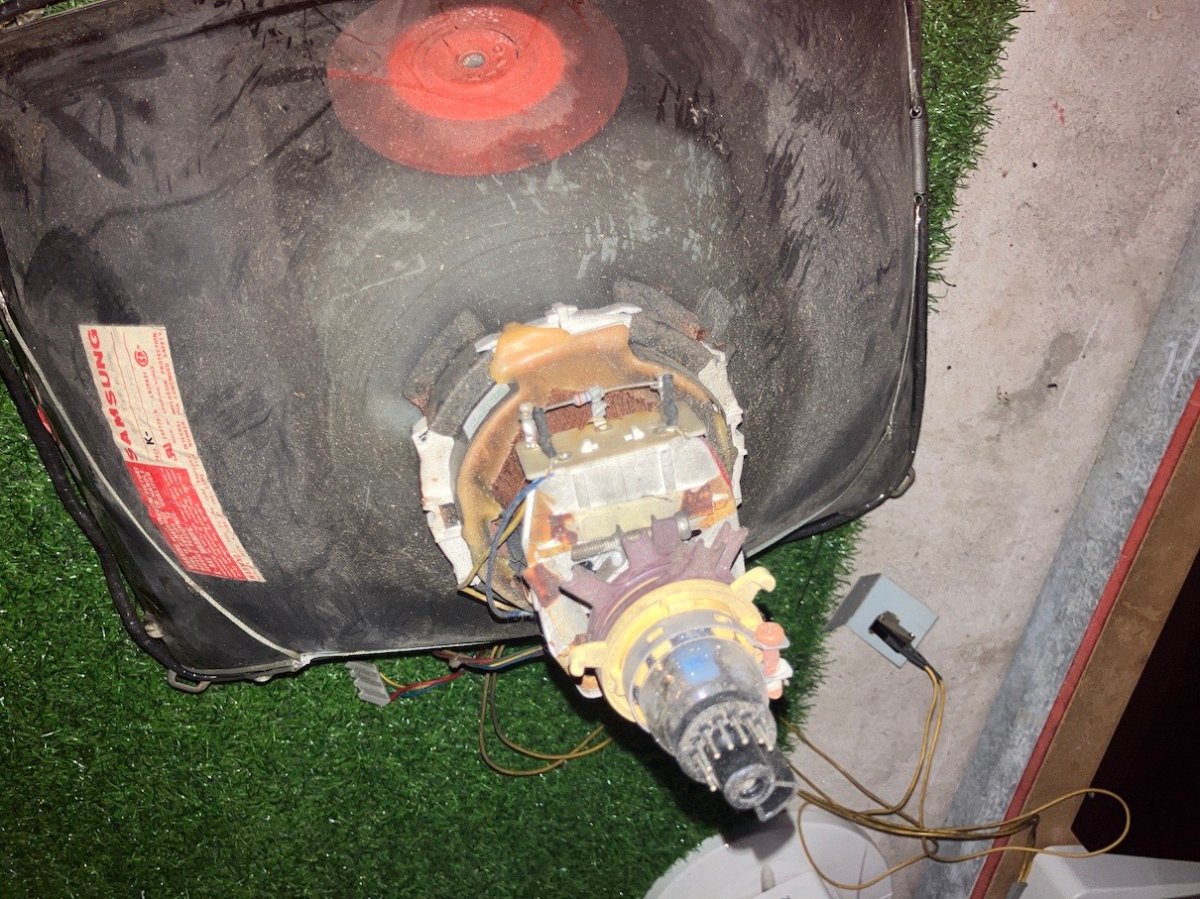
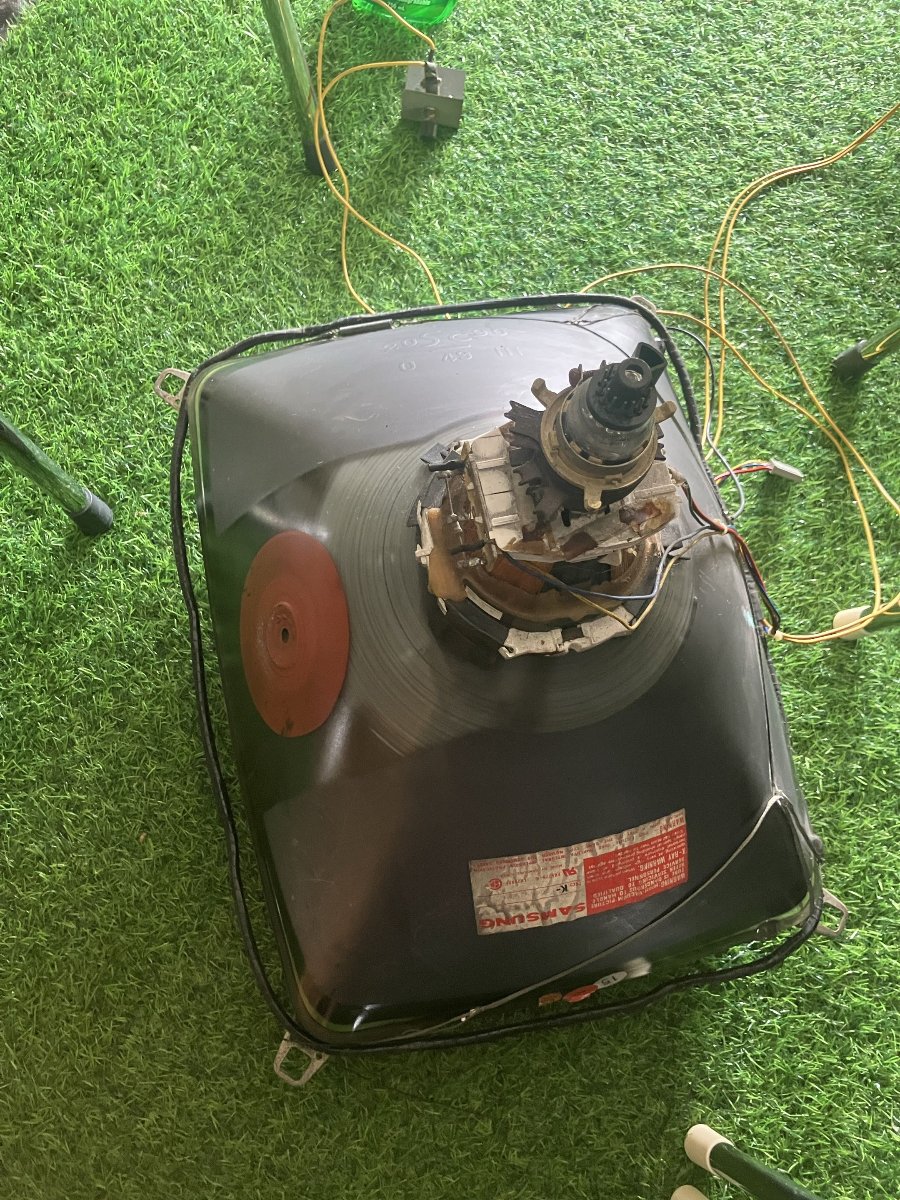
This is the tube in question:
I've never performed this task before, and the time has come to do so. I'm simply removing to check Yoke health for the moment, not doing a replacement YET.
Everytime I look at a Yoke, it just looks like it's stuck in there, or glued in there and there's no way it's coming out.
Everytime I look at a Yoke removal video, it looks easy.
Saw smoke on the weekend when doing a tube swap on a 20". It's possible that corrossion caused the yoke to short out. It could be a chassis issue too, but have to check the yoke in the meantime.
After lots of reading and watching, what seems important when performing this task are:
1. Mark convergence ring placement
2. Trace around the Yoke on the tube to prevent calibration issues when replacing it
3. Tape down magnets/wedges, even if they are stuck in place with glue
4. Be cautious of parts on the yoke crumbling
5. Use gentle force, but not too much force
6. Do not tilt left / right and just gently wiggle if it's stuck
7. Make sure chassis is not connected. Be aware of high voltage points on the Yoke
Am I missing anything else? It's a bit of a daunting task, would appreciate tips from the pros as well as people who did this just once and were in the same position I'm in now.
This is the tube in question:
Last edited: